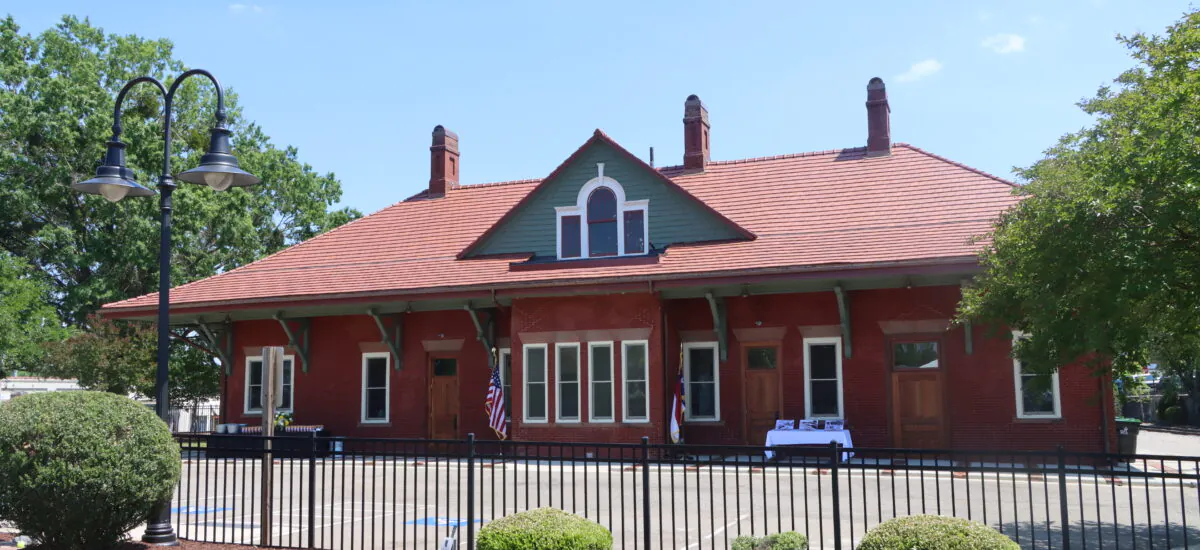
Last week, SAGA joined the City of Sanford to cut the ribbon on the newly renovated Sanford Depot downtown. After decades of work from many different people, and years of renovation, the Depot is ready for a new chapter as a centerpiece of our downtown and home to the Visit Sanford Welcome Center. But while it’s the latest example of new life being breathed into old structures downtown, it’s hardly the first. Many of the historic buildings in our downtown area have been rehabilitated, from the old City Hall to the Sanford Savings & Loan Building to the Buggy Building (where this article is being written). Indeed, the updating and reuse of historic buildings downtown has been one of the most visible signs of Sanford’s growing prosperity in the past few years.
Preserving historic buildings and rehabbing them for modern use isn’t just a way to stay connected to the past; it has real economic implications in the here and now. While national brands and local businesses alike continue to establish themselves in growing commercial corridors along Horner Boulevard or in the Tramway area, Downtown Sanford remains the focal point of our community. But downtowns like ours face two very different challenges that many other small city downtowns have fallen prey to. Some small cities have seen their downtowns hollow out over time as commerce and community focus has shifted elsewhere, leaving them underinvested and in a state of decline. Rather than a vibrant center, a vacant, blighted downtown is a stark and inescapable sign that a community has seen better days, both to current residents and to those who may wish to invest there. On the other end of the spectrum, as some communities have grown, they have sacrificed their historic downtowns for redevelopment that, while bringing economic growth, diminishes the unique character and charm of their community. While that may bring short-term financial benefits, it can degrade a place’s unique identity in the long term.
Historic building redevelopment offers a middle path. By bringing underused and aging structures in our downtown up to modern standards, developers can create vibrant new commercial and residential spaces while maintaining downtown’s historic charm. This is an attractive prospect for developers; taking a building from outdated to updated can be a lucrative proposition, especially when historic building tax credits are factored in. Redeveloped properties on Chatham Street, like the Lutterloh building, have sold at high prices and continue to be fully occupied. Just across from this week’s Depot ribbon cutting, the former Kimbrell’s building is being turned into new commercial spaces and 10 new apartments available this June, with office and dining space close behind elsewhere on Moore Street. Meanwhile, several Steele Street shops are getting a facelift to make them a more attractive location for future downtown businesses. These renovations aren’t just creating new opportunities for commerce and taxable income; they are shoring up downtown’s future.
This reinvestment in historic buildings and properties has been further enhanced by the efforts of our civic leaders and public servants to make downtown Sanford a more attractive place to shop, work, and live. Investment by the City of Sanford in the downtown streetscape through its bond referendum has brought up the attractiveness and quality of the streets and sidewalks at the same time the buildings themselves have seen improvements. And the continuing efforts of Downtown Sanford in promoting downtown as a place to visit through campaigns like Third Thursdays has paid clear dividends in the growth and success of many new downtown businesses.
Without this reinvestment, it’s hard to see how downtown would have begun attracting so many visitors to its events – more than 8000 each for Strawberry Jammin’ and Downtown Streetfest, just to name two. Of course, this ethos of rehabilitating historic structures isn’t limited to downtown Sanford. Historic Jonesboro and downtown Broadway each stand to gain the same benefits from preserving their historic character. But the lesson is the same everywhere: historic building renovation and rehabilitation offers the best of preserving the past while preparing for the future.
None of this is to say that renovating historic buildings is easy. Century-old structures may have myriad problems that are difficult and expensive to mitigate. And at the end of the day, many businesses will still choose to locate in purpose-built structures in other commercial areas. But by renovating historic buildings, the option for new life and activity in a beloved space remains open.